
How Nigerian Transport Businesses Can Reduce Fuel Costs and Emissions at the Same Time
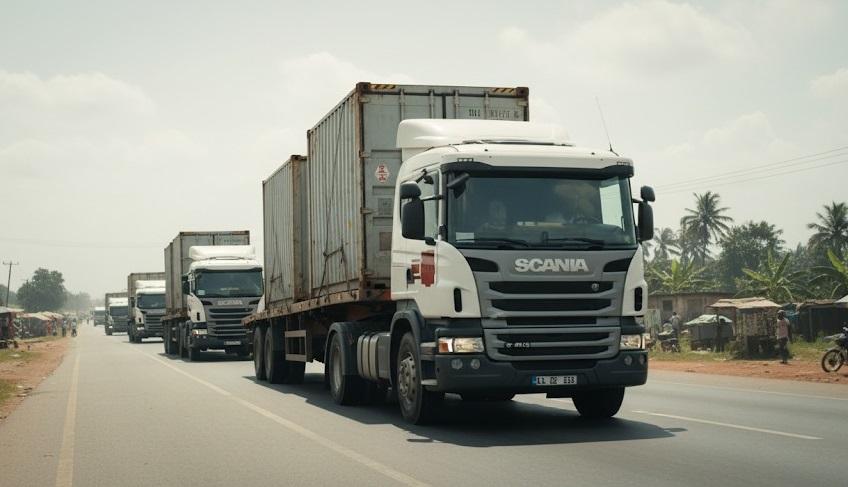
For Nigerian transport and logistics businesses, fuel is more than an operating expense. It is also one of the biggest areas where better management can improve both profitability and environmental performance.
Transport companies depend on vehicles, fuel, maintenance and efficient delivery schedules. When these activities are poorly managed, businesses can spend more than necessary while generating avoidable greenhouse gas emissions and air pollution.
The good news is that reducing emissions does not always require an immediate fleet replacement or expensive technology. Many improvements can begin with better operational decisions.
1. Understand where fuel is being consumed
Businesses cannot manage what they do not measure. Transport operators should begin by examining fuel consumption across their vehicles and operations.
Useful information includes:
- Monthly fuel purchases and consumption.
- Distance travelled by each vehicle.
- Fuel consumption per kilometre.
- Vehicle load and delivery frequency.
- Time spent idling.
- Maintenance and servicing records.
These records can help identify vehicles or routes that consume more fuel than expected.
They also provide a starting point for understanding the organisation’s carbon emissions and climate priorities.
2. Improve route planning and fleet utilisation
Poor route planning can increase fuel consumption through unnecessary journeys, traffic delays and repeated trips.
Transport businesses can improve efficiency by:
- Planning delivery routes more carefully.
- Combining deliveries where practical.
- Reducing unnecessary empty return journeys.
- Monitoring vehicle utilisation.
- Scheduling trips to minimise avoidable delays.
Better fleet utilisation can reduce operating costs while lowering emissions per delivery.
3. Make vehicle maintenance a priority
Poorly maintained vehicles may consume more fuel and release higher levels of pollutants.
Regular servicing, appropriate tyre pressure, engine checks and timely repairs can help vehicles operate more efficiently.
Businesses should also maintain records of servicing and fuel performance to identify recurring problems.
4. Consider lower-emission alternatives gradually
Replacing an entire fleet may be financially unrealistic for many Nigerian businesses.
However, organisations can evaluate more fuel-efficient vehicles, alternative fuels and electric vehicles when making future purchasing decisions.
The most suitable option will depend on vehicle use, route distances, charging or refuelling infrastructure, purchase costs and maintenance requirements.
5. Measure progress instead of making assumptions
A business should not assume that a new policy or vehicle automatically produces emissions reductions.
It should compare fuel consumption and emissions before and after implementing changes.
Useful indicators include fuel consumed per kilometre, emissions per tonne-kilometre, vehicle utilisation and total fuel expenditure.
This makes it easier to identify which improvements are working and where further action is needed.
6. Make sustainability part of business planning
The Stockholm Environment Institute’s 2026 Climate and Clean Air Action Framework for Nigerian transport businesses recommends a structured approach: defining emissions boundaries, measuring emissions, identifying priorities, developing mitigation measures, preparing investment-ready projects and monitoring progress.
This demonstrates why sustainability should be connected to everyday business decisions rather than treated as a separate environmental activity.
NatureSynth supports organisations in understanding their sustainability practices, identifying climate and carbon priorities and developing practical improvement plans. Businesses can explore its advisory services and assessment options to understand where to begin.
Conclusion
Reducing fuel costs and emissions does not have to be an either-or decision for Nigerian transport businesses.
Better fuel records, route planning, vehicle maintenance and performance monitoring can create opportunities for operational savings and environmental improvement.
The first step is understanding where resources are being used, identifying avoidable inefficiencies and turning the findings into measurable actions.