
What Sustainability Really Means for Your Business
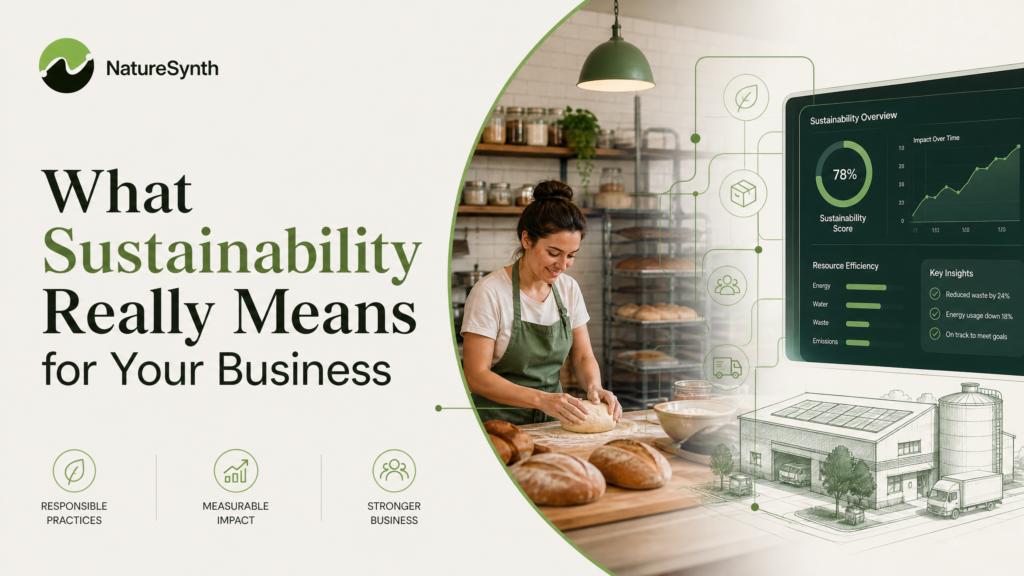
Many businesses hear the term sustainability, but few truly understand what sustainability really means in practice.
Let’s start with something real

Imagine this.
You run a small food processing business in Ibadan. Diesel prices go up again. Power supply is unreliable. Your waste disposal costs are rising. Customers are starting to ask questions like, “Is this product safe?” or “How is this made?”
None of this feels like “environmental activism.” It just feels like everyday business stress.
But here’s the truth most people miss:
This is exactly where sustainability starts.
Not with big speeches. Not with global conferences.
With your daily decisions as a business owner.
So, what does sustainability really mean?

Strip away all the big grammar, and sustainability simply means this:
Running your business in a way that you can keep going — without creating problems that will come back to hurt you later.
That’s it.
It covers three simple areas:
- How you use resources (energy, water, raw materials)
- How you affect people (staff, customers, community)
- How you manage your impact (waste, emissions, safety)
Think of it like this:
- If your generator is burning too much fuel → that’s a cost problem
- If your waste is piling up → that’s a risk problem
- If your staff are overworked → that’s a productivity problem
Sustainability just connects all these dots.
It’s not separate from business.
It is good business.
Why should your business care?

Let’s bring it closer to home.
1. It saves you money (more than you think)
A bakery in Lagos switched to better insulation for their ovens and reduced fuel usage. Nothing fancy. Just smarter use of heat.
Result? Lower diesel bills every week.
Many businesses are leaking money through:
- inefficient energy use
- excessive water consumption
- poor inventory management
Sustainability helps you plug those leaks.
2. Customers are paying attention now
People are asking more questions:
- “Is this hygienic?”
- “Is this safe?”
- “Where is this coming from?”
Even if they don’t use the word “sustainability,” they care about quality, trust, and transparency.
A fashion brand that reduces fabric waste or sources responsibly can stand out — not just morally, but commercially.
3. Regulations are catching up
Government policies may feel slow, but they are evolving.
From waste management rules to environmental standards, businesses that ignore these changes often end up reacting late — and paying more.
Being proactive gives you control.
4. It builds long-term stability
Shortcuts can keep you afloat today.
But they often create bigger problems tomorrow:
- environmental fines
- damaged reputation
- rising operating costs
Sustainability is about thinking beyond this month’s profit and asking:
“Will this still work for me next year?”
Common misunderstandings (that hold businesses back)

Let’s clear a few things up.
“Sustainability is only for big companies”
Not true.
In fact, small and medium businesses often benefit faster because:
- changes are easier to implement
- cost savings are more noticeable
“It’s expensive”
It can cost money upfront — but many sustainability actions are actually about reducing waste, which saves money.
Examples:
- fixing water leaks
- optimizing delivery routes
- reducing excess packaging
These are not luxury moves. They are smart operations.
“It’s too complicated”
Only if you overthink it.
You don’t need a 50-page report to start.
You just need to answer simple questions like:
- Where am I wasting money?
- What risks am I ignoring?
- What can I improve this month?
Where NatureSynth comes in

Now, here’s the honest part.
Most business owners know something needs to improve.
The real challenge is:
“Where do I even start?”
That’s where NatureSynth fits in — not as a theory platform, but as a practical guide.
How NatureSynth works (simple, no stress)
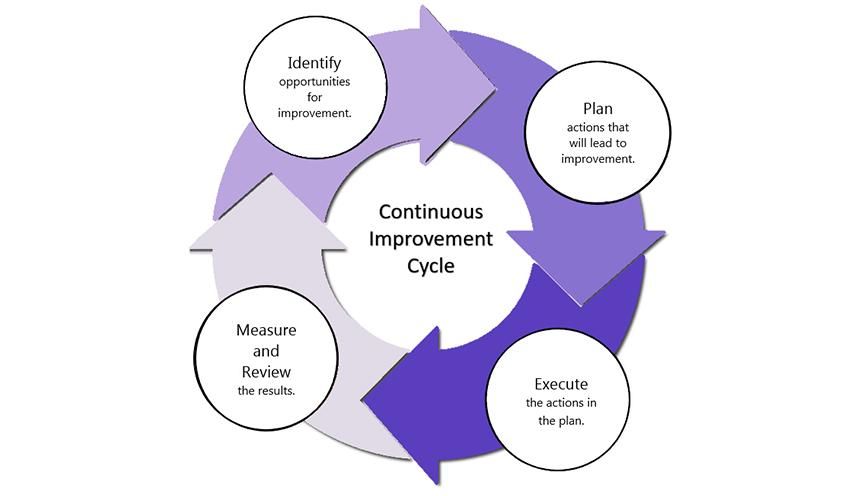
1. Assess (Baseline)
Before you fix anything, you need clarity.
NatureSynth helps you understand:
- how your business is currently operating
- where inefficiencies exist
- what risks you may not be seeing
Think of it like a health check for your business.
2. Improve (Grow)
Once you know the gaps, the next step is action.
Not vague advice — practical improvements, such as:
- reducing energy waste
- improving operational processes
- strengthening safety and compliance
Step by step. No overwhelm.
3. Certify
When you’ve made real improvements, it helps to show it.
Certification gives your business:
- credibility
- trust
- a competitive edge
It tells customers and partners:
“We’re not just saying it. We’re doing it.”
Practical ways to start (even without a platform)

You don’t have to wait.
Here are simple things you can do this week:
Audit your biggest costs
Look at:
- fuel
- electricity
- raw materials
Ask: Where am I wasting money?
Reduce small inefficiencies
- Turn off unused equipment
- Fix leaks
- Track inventory better
Small changes add up fast.
Talk to your team
Your staff often see problems you don’t.
Ask them:
- “What slows you down?”
- “What gets wasted?”
You’ll be surprised what you learn.
Start tracking something
It could be:
- daily fuel usage
- water consumption
- production waste
If you don’t measure it, you can’t improve it.
Final thoughts

Sustainability is not a trend.
It’s not a buzzword.
And it’s definitely not something reserved for big corporations.
It’s simply about running a smarter, stronger, more resilient business.
The kind that:
- saves money
- earns trust
- avoids unnecessary risks
- and keeps growing over time
If you think about it, every serious business owner is already trying to do this.
Sustainability just gives it structure.
What next?
If you’re ready to stop guessing and start making clearer, smarter decisions:
Start with a Baseline Assessment.
That first step might be simpler than you think — and more valuable than you expect.