
How Nigerian Businesses Can Reduce Operating Costs Without Cutting Growth
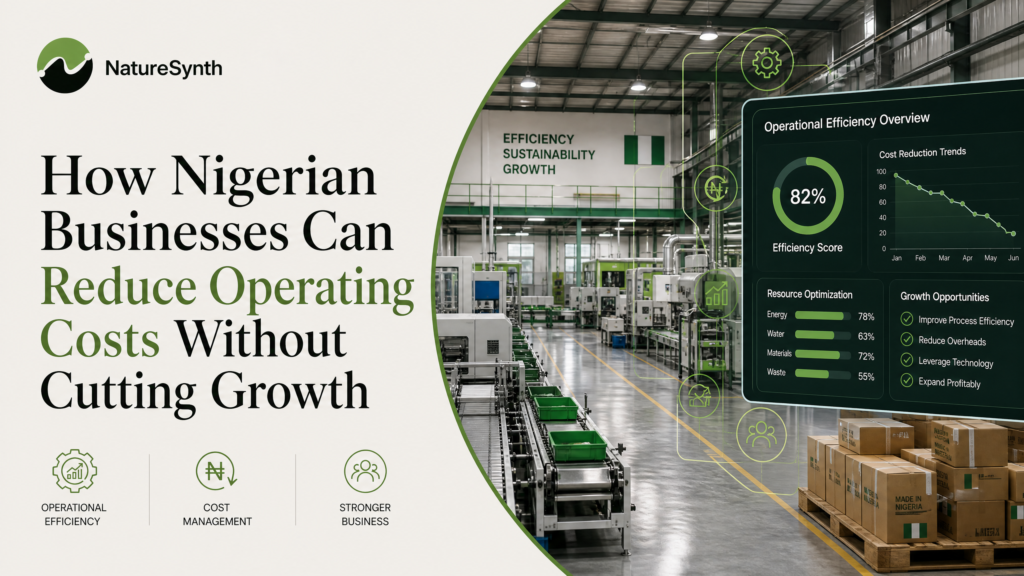
Many business owners are searching for ways to reduce operating costs Nigerian businesses face today. Rising fuel prices, electricity challenges, transportation expenses, inflation, and increasing business costs continue putting pressure on companies across Nigeria.
When expenses rise, many businesses immediately think about reducing staff, cutting services, or slowing expansion plans.
However, reducing costs does not always require reducing growth.
In many cases, businesses can lower expenses by improving efficiency and identifying operational waste.
Small changes often create meaningful long term results.
Many Businesses Focus on Visible Expenses Only
When businesses review expenses, they often focus on obvious costs.
Fuel bills.
Rent.
Transportation.
Generator expenses.
Staff salaries.
These costs matter.
However, hidden operational losses may create equally serious problems.
Repeated mistakes, inefficient workflows, poor scheduling, unnecessary energy use, and wasted resources quietly reduce profits over time.
Businesses sometimes lose money daily without realizing it.
Operational Waste Increases Business Costs
Waste does not always appear as physical waste.
Businesses may waste time, resources, effort, and opportunities.
For example:
Employees may repeat tasks unnecessarily.
Equipment may remain running when nobody uses it.
Delivery schedules may create avoidable trips.
Poor communication may delay work.
Individually, these problems seem small.
Together, they become expensive.
Reducing waste often creates immediate operational improvements.
Efficiency Matters More Than Ever
Nigerian businesses face increasing pressure to operate carefully.
Businesses may not control inflation or fuel prices.
However, they can improve internal processes.
Simple operational improvements can reduce unnecessary expenses.
Businesses can review:
Daily workflows
Resource use
Delivery systems
Scheduling practices
Communication processes
Small adjustments may save significant costs over time.
Efficiency creates stronger systems.
Technology Can Help Businesses Work Smarter
Many businesses still rely heavily on manual processes.
While manual systems work in some situations, technology often improves visibility and efficiency.
Simple digital tools can help businesses monitor operations, organize activities, reduce repeated work, and improve coordination.
Businesses do not always need expensive systems.
Even small improvements can create measurable impact.
Technology supports smarter decision making.
Cost Reduction Should Support Growth
Businesses sometimes make a common mistake.
They reduce costs in ways that weaken performance.
For example, cutting important staff, reducing service quality, or delaying essential operations may create short term savings but long term problems.
Effective cost reduction focuses on improving operations rather than reducing business strength.
Businesses should remove inefficiencies, not remove opportunities.
Growth and efficiency can work together.
Sustainability Is Also About Smarter Operations
Many people associate sustainability only with environmental topics.
Today, sustainability also involves operational thinking.
Reducing waste.
Managing resources carefully.
Improving efficiency.
Building stronger systems.
These practices support both sustainability and business performance.
For Nigerian businesses, sustainability increasingly connects with smarter business decisions.
Where NatureSynth Fits
Many businesses know costs are increasing but struggle to identify where operational losses happen.
NatureSynth helps businesses understand inefficiencies, identify waste patterns, and gain clearer operational insights.
Instead of relying on assumptions, businesses can make better informed decisions and improve performance gradually.
Small changes often create stronger long term impact.
Conclusion
Nigerian businesses continue facing increasing operational pressure.
Reducing costs does not always mean reducing growth.
Businesses that improve efficiency, reduce waste, and strengthen operations often create more sustainable long term results.
Sometimes the biggest savings come from small operational improvements.
Next Step
Take a closer look at your business today.
Ask yourself:
Where do hidden costs exist?
Which activities create unnecessary waste?
What small improvements can reduce expenses without affecting growth?
Small changes often reveal bigger opportunities.